
Traditional Tai Chi
Focusing on strength, mobility, flexibility, balance and breathing.
“To obtain the maximum benefit from Tai Chi Chuan, even if one is only interested in the health aspect, we must perform the movements correctly by understanding the original meaning behind each movement, i.e. its correct martial art application”

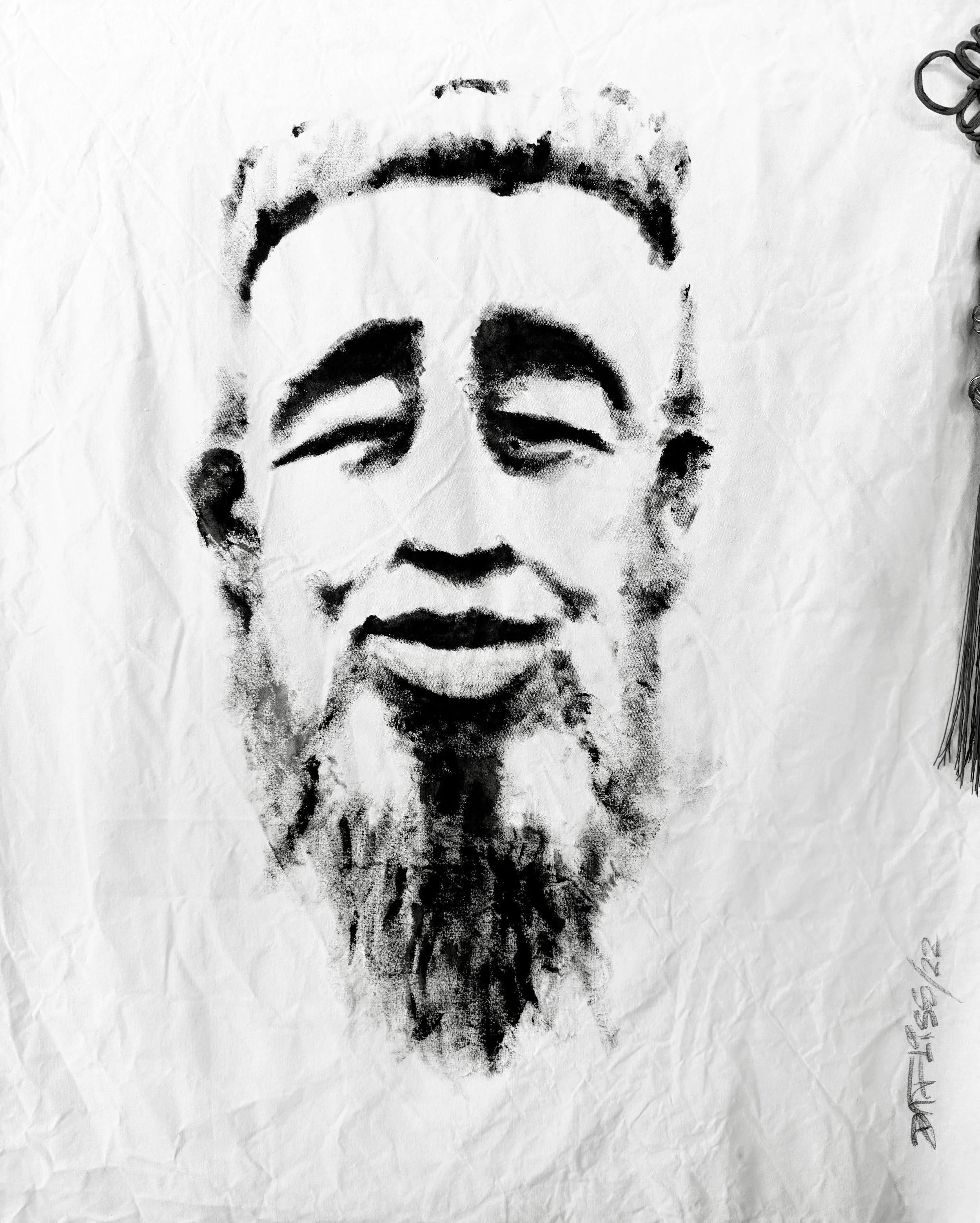
Wutan’s Cheng Man-ch'ing Tai Chi Lineage
Master They, referring to his teacher of Cheng Man-ch'ing style t'ai chi…
In my homeland of Malaysia most people who practise Tai Chi are influenced by his [Cheng’s] style. It was introduced here by his most talented first disciple: Huang Hsing Sian. Huang Hsing Sian was born in 1910. At about the age of fifteen years, he started to study a system of martial arts that was created in Hokkien Province. It was known as the Crying Crane style of Kung Fu under Shea Liu Liu ( also known as Liu Liu Ko or brother Liu Liu - the same teacher of Hegoana, who later went on to become the founder of the style known as Goju Ryu Karate.). Huang started teaching Crane style martial arts in Shanghai in 1933.

The Five Excellences
We all know who Cheng Man-ch'ing is, he is the orginator of the so-called Yang Short Form, that I have written about extensively on this site. This Form is the one that our school teaches first.
Not only was Cheng famous for his t'ai chi, he was an accomplished calligrapher, painter and poet. These three skills were known as the three perfections in the Tang dynasty.
He was also a practitioner of traditional Chinese herbal medicine.
It is said that Cheng regarded the set of all five disciplines as the five excellencies, the 'mark of a well rounded person'.
I wanted to see how I stacked up in these areas of personal development and achievement.
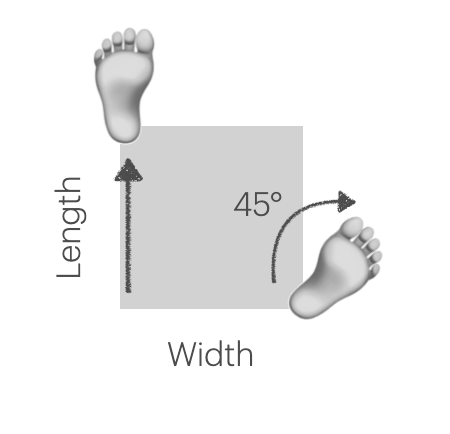
Stances
In teaching new students I am continuously reminded that the stances in Taiji can be hard to get at first.
Maybe they are not strange to dancers, fencers, boxers and other athletes, and they are definitely not foreign to martial artists. ‘Refugees’ from other martial arts come to taiji classes well versed in stances and they can see the differences and understand their importance.
In my typical qigong ‘warm up’, three of the moves use the horse stance (mǎbù (馬步) in Chinese, kiba-dachi (騎馬立ち) (or shiko-dachi (四股立)) in Japanese, and juchum seogi (주춤 서기) or annun seogi (lit. sitting stance) in Korean - Wikipedia). This is really excellent strength training for the legs.
Fair lady weaves at shuttles - four corners
This is a challenging section for beginners and intermediates alike. Lots of turns, lots of footwork. In an attempt to help you make progress at home in between lessons, I am setting out nine steps that take you from single whip to single whip.
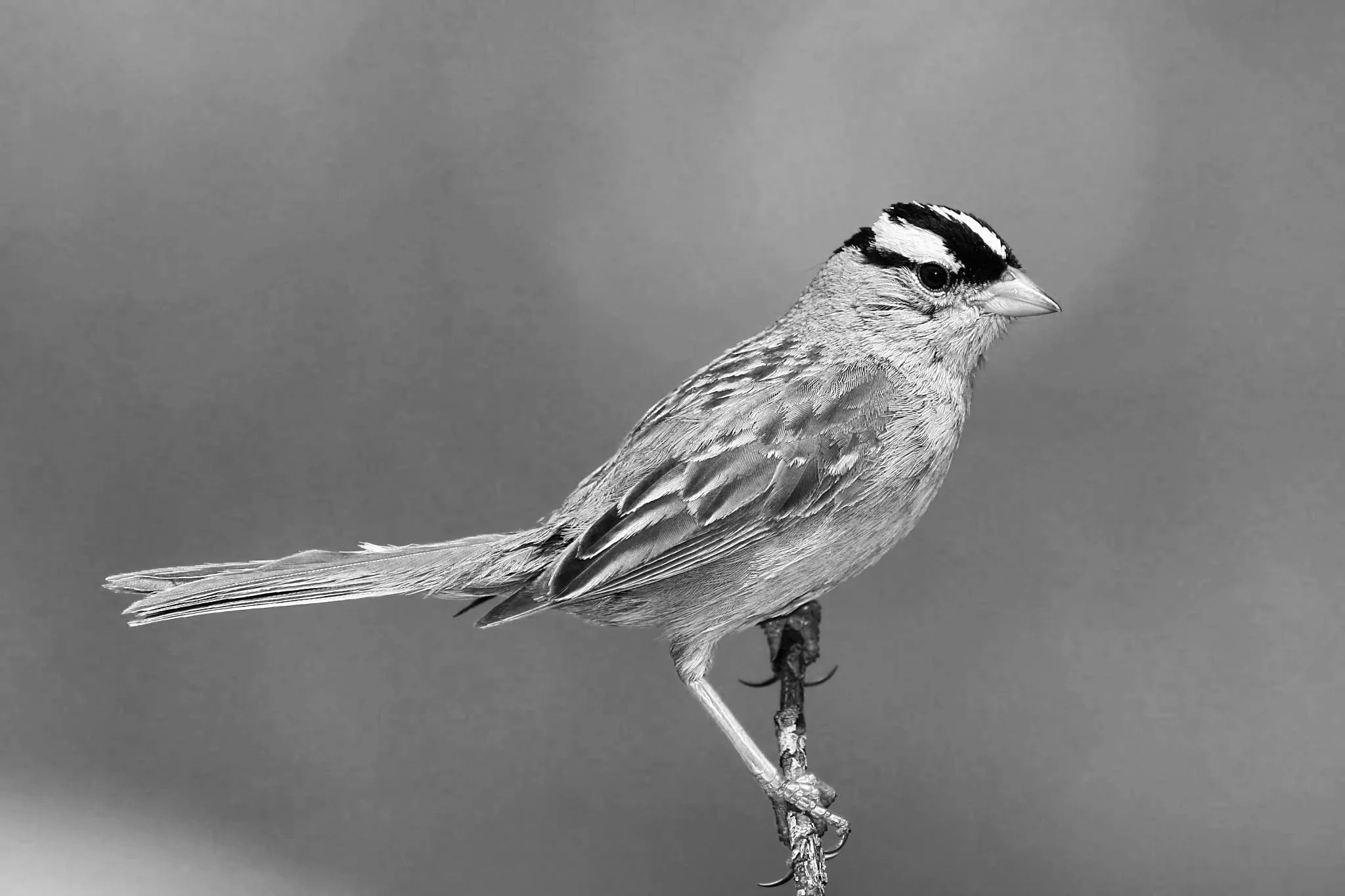
Grasp the Sparrow’s Tail
Peng - Ward Off, Lu - Roll Back, Ji - Press, An - Push.
The familiar moves have specific vectors of movement.
Do you know what they are?

Cheng Style Taijiquan
Wutan’s version of Cheng’s form as adapted and considerably shortened from the Yang Long Form.
My own notes are here and are more detailed and potentially more confusing. This presentation might suit a more confident and/or experienced student.
Presented verbatim from The Path of the Complete Martial Artist (sometimes referred to as the ‘White Book’), Wutan KungFu International (WKI), They SoonTuan, pp 69-70, March 1991, £10.

Short Form - deeper
There are five main family styles of Tai Chi, and Wutan schools start by teaching the Yang family style (link).
Specifically, the head of our school, Master They Soon Tuan, recommends we initially teach what is colloquially called ‘Short Form’.
The Short Form comes in many variations. The one we teach consists of thirty seven ‘postures’, and is much abbreviated from Yang’s original ‘long form’, but can still take anywhere from six to ten minutes to complete when focusing carefully on technique and breathing.
Wutan’s ‘Yang’ short form is actually derived from a form created by Cheng Man-ch’ing (Zheng Manqing and sometimes referred to as ‘CMC’) (link), who studied with Yang Chengfu for a number of years.

Short Form - An Aide Memoir
Tai Chi ‘Short Form’ after Cheng Man-ch'ing (or Zheng Manqing).
Always forgetting the sequence of moves? We hope this helps.
Each ‘section’ finishes / starts with Single Whip.