
Traditional Tai Chi
Focusing on strength, mobility, flexibility, balance and breathing.
“To obtain the maximum benefit from Tai Chi Chuan, even if one is only interested in the health aspect, we must perform the movements correctly by understanding the original meaning behind each movement, i.e. its correct martial art application”

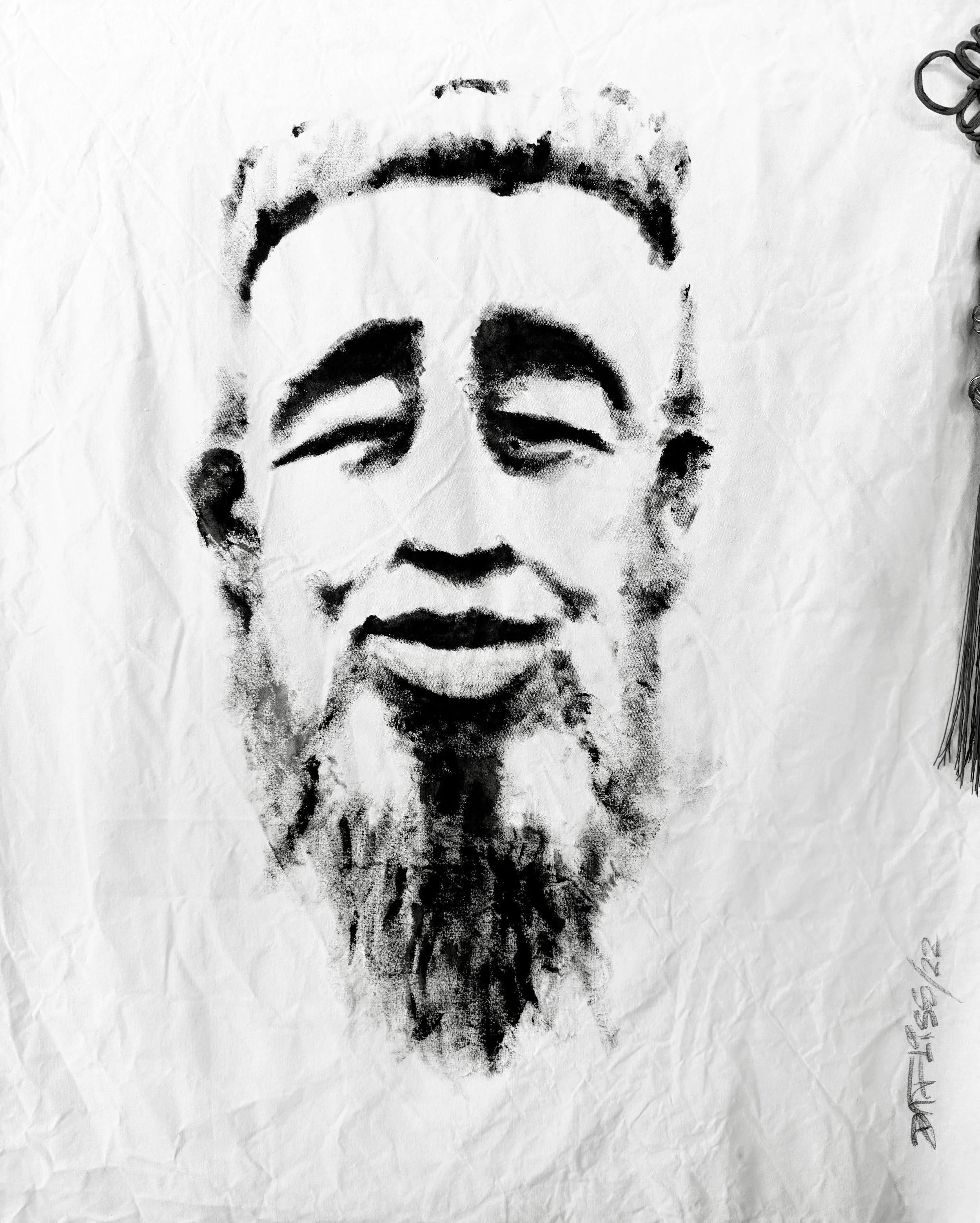
Wutan’s Cheng Man-ch'ing Tai Chi Lineage
Master They, referring to his teacher of Cheng Man-ch'ing style t'ai chi…
In my homeland of Malaysia most people who practise Tai Chi are influenced by his [Cheng’s] style. It was introduced here by his most talented first disciple: Huang Hsing Sian. Huang Hsing Sian was born in 1910. At about the age of fifteen years, he started to study a system of martial arts that was created in Hokkien Province. It was known as the Crying Crane style of Kung Fu under Shea Liu Liu ( also known as Liu Liu Ko or brother Liu Liu - the same teacher of Hegoana, who later went on to become the founder of the style known as Goju Ryu Karate.). Huang started teaching Crane style martial arts in Shanghai in 1933.