
Traditional Tai Chi
Focusing on strength, mobility, flexibility, balance and breathing.
“To obtain the maximum benefit from Tai Chi Chuan, even if one is only interested in the health aspect, we must perform the movements correctly by understanding the original meaning behind each movement, i.e. its correct martial art application”

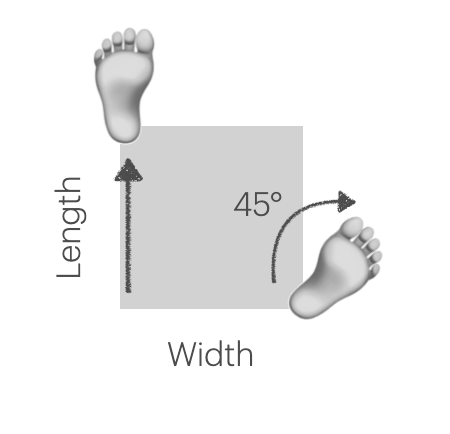
Stances
In teaching new students I am continuously reminded that the stances in Taiji can be hard to get at first.
Maybe they are not strange to dancers, fencers, boxers and other athletes, and they are definitely not foreign to martial artists. ‘Refugees’ from other martial arts come to taiji classes well versed in stances and they can see the differences and understand their importance.
In my typical qigong ‘warm up’, three of the moves use the horse stance (mǎbù (馬步) in Chinese, kiba-dachi (騎馬立ち) (or shiko-dachi (四股立)) in Japanese, and juchum seogi (주춤 서기) or annun seogi (lit. sitting stance) in Korean - Wikipedia). This is really excellent strength training for the legs.
Fair lady weaves at shuttles - four corners
This is a challenging section for beginners and intermediates alike. Lots of turns, lots of footwork. In an attempt to help you make progress at home in between lessons, I am setting out nine steps that take you from single whip to single whip.
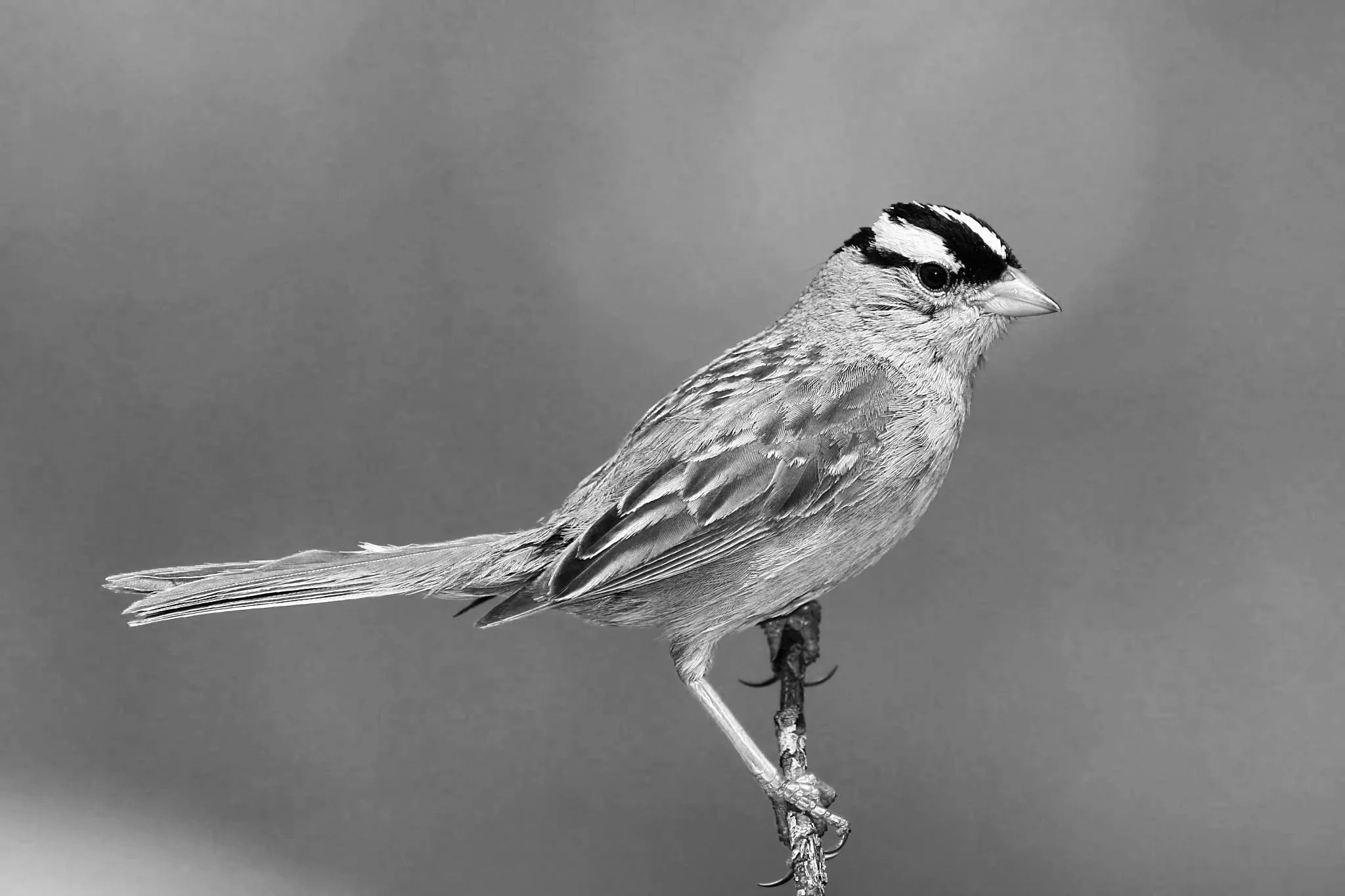
Grasp the Sparrow’s Tail
Peng - Ward Off, Lu - Roll Back, Ji - Press, An - Push.
The familiar moves have specific vectors of movement.
Do you know what they are?

High Pat on Horse
We had some debate in class today about the correct shape for the extended right hand in High Pat on Horse (HPoH, Yang, Long form). I’ve been treating it as a mid-section (to the chest) push with the palm. Others see it more as a chop with the edge of the hand. In application, I guess it is what works at the time!
I’ve always been a little ‘anal’ since my long distant Taekonwdo days about knowing exactly what is the ‘weapon’ I am using, and what is the ‘target’? Those TKD guys were very specific about that, and I think it is a good thing to keep in mind. I want to get this right if I am to be passing it on to others.

Cheng Style Taijiquan
Wutan’s version of Cheng’s form as adapted and considerably shortened from the Yang Long Form.
My own notes are here and are more detailed and potentially more confusing. This presentation might suit a more confident and/or experienced student.
Presented verbatim from The Path of the Complete Martial Artist (sometimes referred to as the ‘White Book’), Wutan KungFu International (WKI), They SoonTuan, pp 69-70, March 1991, £10.

Yang Taiji - Application
From the YouTube Channel of Kevin Lee we see Dr Mark Cheng showing the application of techniques from Yang Style Long Form (large frame, old style). It seems that he learned Tai Chi from this father.
Dr Cheng explains that like most Chinese Martial arts, Tai Chi includes the ability to:
Kick
Punch / strike
Throw, and
Joint lock

Short Form - deeper
There are five main family styles of Tai Chi, and Wutan schools start by teaching the Yang family style (link).
Specifically, the head of our school, Master They Soon Tuan, recommends we initially teach what is colloquially called ‘Short Form’.
The Short Form comes in many variations. The one we teach consists of thirty seven ‘postures’, and is much abbreviated from Yang’s original ‘long form’, but can still take anywhere from six to ten minutes to complete when focusing carefully on technique and breathing.
Wutan’s ‘Yang’ short form is actually derived from a form created by Cheng Man-ch’ing (Zheng Manqing and sometimes referred to as ‘CMC’) (link), who studied with Yang Chengfu for a number of years.

Short Form - An Aide Memoir
Tai Chi ‘Short Form’ after Cheng Man-ch'ing (or Zheng Manqing).
Always forgetting the sequence of moves? We hope this helps.
Each ‘section’ finishes / starts with Single Whip.